
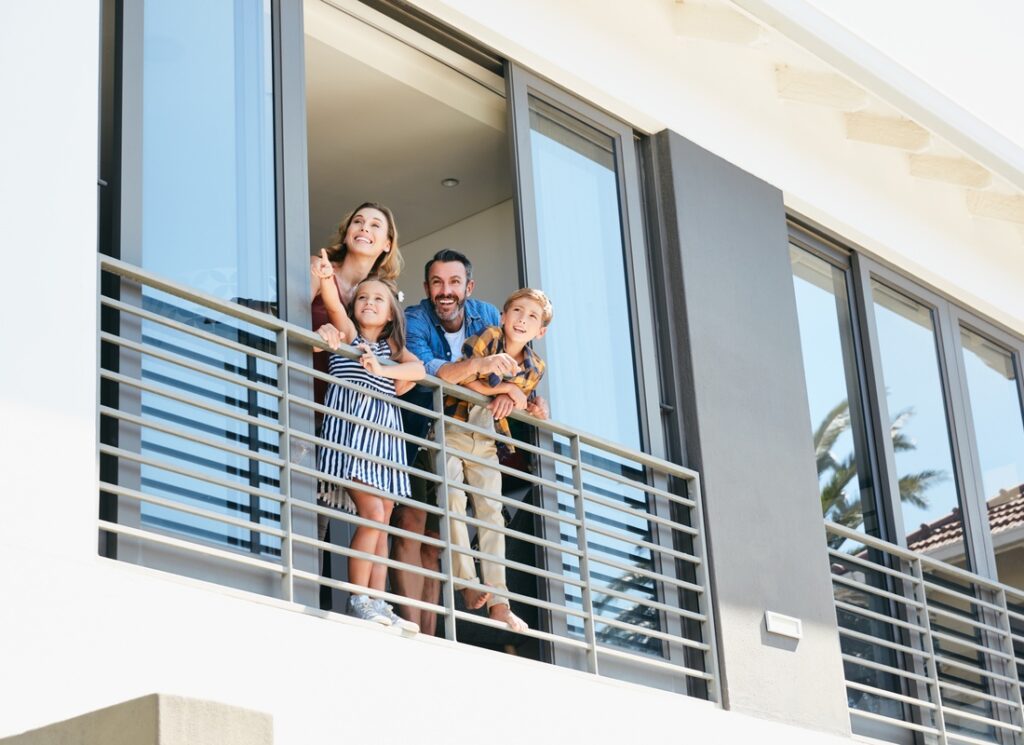
Most vacation rental owners on Cape San Blas and in Port St. Joe think about insurance in terms of wind and water. Hurricanes and flooding get the headlines, but there is another risk that shows up every week of the rental season: a guest slips on wet pool decking, misses a step on the walkway to the beach, or gets hurt on a bike or kayak you left in the storage room. When someone is injured at a home you own, the question of who pays can land on you.
At Renting the Coast, we manage vacation homes across Gulf County, and liability is one of the topics owners ask us about most once their home starts booking. This guide walks through where guest injuries tend to happen, how liability and umbrella coverage fit together, and what to ask your agent. For coverage questions, we work with our local partner, Insuring the Coast, an independent agency in Port St. Joe.
Why Liability Looks Different When You Rent to Guests
When you live in a home yourself, the people on your property are mostly family and friends who know the house. A vacation rental is different. Every week brings a new group of people who do not know which step is a little taller, how deep the pool is, or that the hot tub runs hot. Many groups include young children, grandparents, or guests who have never stayed in an elevated beach house before.
That steady turnover is exactly why a standard homeowners policy may not be the right fit. Many homeowners policies limit or exclude coverage when a home is rented to paying guests on a regular basis, and that can include the liability portion of the policy. Insuring the Coast covers the basics in its guide to short-term rental insurance, and our earlier post on vacation rental insurance on Cape San Blas explains why owners should tell their agent exactly how the home is used.
Where Guest Injuries Tend to Happen
Every home is different, but the same features come up again and again on the Forgotten Coast.
Pools and Hot Tubs
A private pool is one of the most requested amenities in Gulf County, and it is also one of the biggest liability exposures a rental can have. Wet decking, diving into shallow water, unsupervised children, and hot tub temperatures are all common concerns. Some insurers ask detailed questions about pools, such as fencing, gates, alarms, and whether there is a diving board or slide, so have those answers ready.
Stairs, Decks, and Elevated Walkways
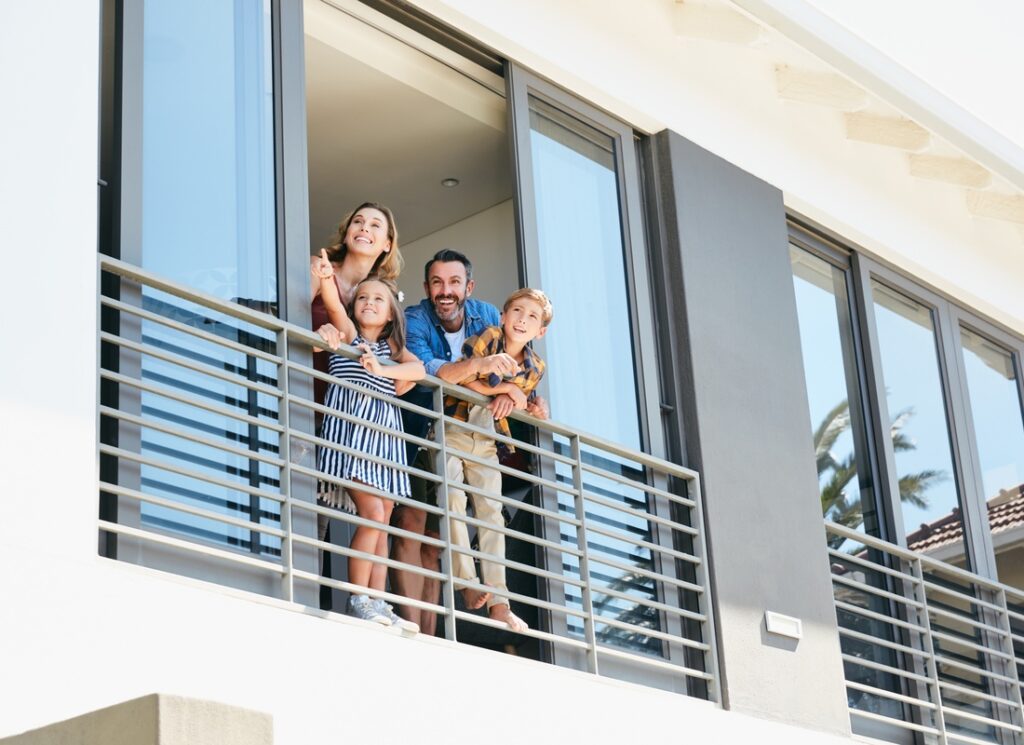
Many homes on Cape San Blas, at Indian Pass, and along St. Joe Beach are built on pilings, which means long exterior staircases, multiple decks, and dune walkovers. Salt air, sun, and humidity are hard on wood and fasteners. Loose railings, worn treads, and poor lighting at night are the kinds of conditions that can turn a missed step into a claim.
Bikes, Kayaks, Paddleboards, and Beach Gear
Owners often leave bikes, kayaks, paddleboards, or beach carts for guests. These are great for reviews, but they add exposure. Ask your agent whether your policy treats guest use of these items any differently, and keep them in good repair.
Golf Carts and Other Motorized Extras
Golf carts and low-speed vehicles are a special case. Injuries involving motorized vehicles are often excluded from a home or rental policy and may need their own coverage. Insuring the Coast explains the options on its page about golf cart and off-road vehicle insurance. If a cart is offered to guests, make sure your agent knows.
How Liability and Umbrella Coverage Fit Together
Think of liability protection as layers. Each layer has its own limit, and they are designed to work together.
The Liability on Your Rental Policy
The first layer is the personal liability section of the policy that covers your rental home. It generally responds when you are found legally responsible for someone else's bodily injury or property damage, and it typically includes the cost of defending you. Policies have a set limit, and the right amount depends on the property and your overall financial picture.
Medical Payments Coverage
Many policies also include a small amount of medical payments coverage. It can pay modest medical bills for an injured guest regardless of fault, which can sometimes help settle a minor injury quickly. Limits are usually low, so it is not a substitute for liability coverage.
Umbrella Coverage
An umbrella policy sits on top of your underlying policies and adds an extra layer of liability protection once those underlying limits are used up. It can also extend over more than one policy, such as your home, rental, and auto. Most umbrella policies require you to carry certain minimum liability limits underneath, and not every umbrella will cover a property used as a short-term rental, so the details matter. Insuring the Coast goes deeper on this in how umbrella policies work for short-term rentals.
Ownership and Entity Questions
If your rental is owned by an LLC or another entity, the names on your policies should match how the property is actually owned. A mismatch between the deed, the rental policy, and an umbrella can create gaps. This is a good question to raise with both your agent and your attorney.
Not sure your liability or umbrella limits fit your rental?
Practical Steps That Help Reduce Risk
Insurance is there for when something goes wrong, but good habits make injuries less likely in the first place.
- Walk the property with fresh eyes. Check railings, stair treads, deck boards, and handrails, especially after storms.
- Light the paths. Exterior stairs, walkways, and dune crossovers should be easy to see at night.
- Post clear pool and hot tub rules. Include no diving, no glass, and children supervised at all times, along with hot tub temperature guidance.
- Keep amenities in good repair. Retire worn life jackets, damaged bikes, and cracked paddleboards rather than leaving them out.
- Use a clear rental agreement. House rules and guest acknowledgments can help set expectations. Ask your attorney about the right language for your home.
- Fix issues before the next arrival. A quick repair between stays is far easier than dealing with an injury.
What to Do If a Guest Is Hurt
If a guest reports an injury, make sure they get any help they need first. Then write down what happened while details are fresh: the date, time, location, who was involved, and any witnesses. Take photos of the area and anything involved, such as a stair, railing, or piece of equipment. Avoid admitting fault or promising to pay bills before you talk with your agent. Report the incident to your insurance agent promptly, even if it seems minor, since many policies require timely notice of a possible claim.

Quick Checklist: Liability Review for Your Rental
- ✓Confirm your current policy is written for a short-term rental, not only as a primary or second home.
- ✓Note your liability limit and medical payments limit from the declarations page.
- ✓List every amenity guests can use: pool, hot tub, bikes, kayaks, paddleboards, golf carts, and grills.
- ✓Ask whether golf carts or other motorized vehicles need separate coverage.
- ✓Ask whether an umbrella policy can extend over your rental, and what underlying limits it requires.
- ✓Make sure the names on your policies match how the property is owned, including any LLC.
- ✓Schedule a walk-through of stairs, decks, railings, and lighting before the busy season.
How Renting the Coast and Insuring the Coast Work Together
Renting the Coast handles the day-to-day care of your vacation home, guests, and bookings across Gulf County, and we know how much a single guest injury can disrupt an owner's season. When you want to check your liability limits, ask about umbrella coverage, or review what your rental policy covers, Insuring the Coast is our local insurance partner. Their team can walk through a policy review with you. Reach them at (850) 203-3643, and learn more about our vacation rental property management.
Ready to check your liability limits? Request a quote from our partners at Insuring the Coast.
Prefer to stop by? Visit their Port St. Joe insurance office at 402 Reid Ave Ste B, Port St. Joe, FL 32456, or call (850) 203-3643.
Frequently Asked Questions
Does my homeowners policy cover a guest who gets hurt at my vacation rental?
It depends on the policy. Many homeowners policies limit or exclude coverage when a home is rented to paying guests regularly. Tell your agent exactly how the home is used so the policy fits.
What is the difference between liability coverage and medical payments coverage?
Liability coverage generally responds when you are legally responsible for someone's injury and typically includes your legal defense. Medical payments coverage pays smaller medical bills regardless of fault, with much lower limits.
Will an umbrella policy cover my short-term rental?
Some umbrella policies can extend over a short-term rental and some cannot. Most also require minimum liability limits on your underlying policies. Ask your agent to confirm before you rely on it.
Are golf carts covered by my rental policy?
Often not. Motorized vehicles are commonly excluded from home and rental liability coverage, so a golf cart offered to guests may need its own policy.
What should I do first if a guest is injured?
Make sure the guest gets help, document what happened with notes and photos, avoid admitting fault, and contact your insurance agent promptly.
This article is general information, not policy or legal advice. Coverage depends on your specific policy and property, so review the details with a licensed agent and consult an attorney about rental agreements and ownership questions.


