
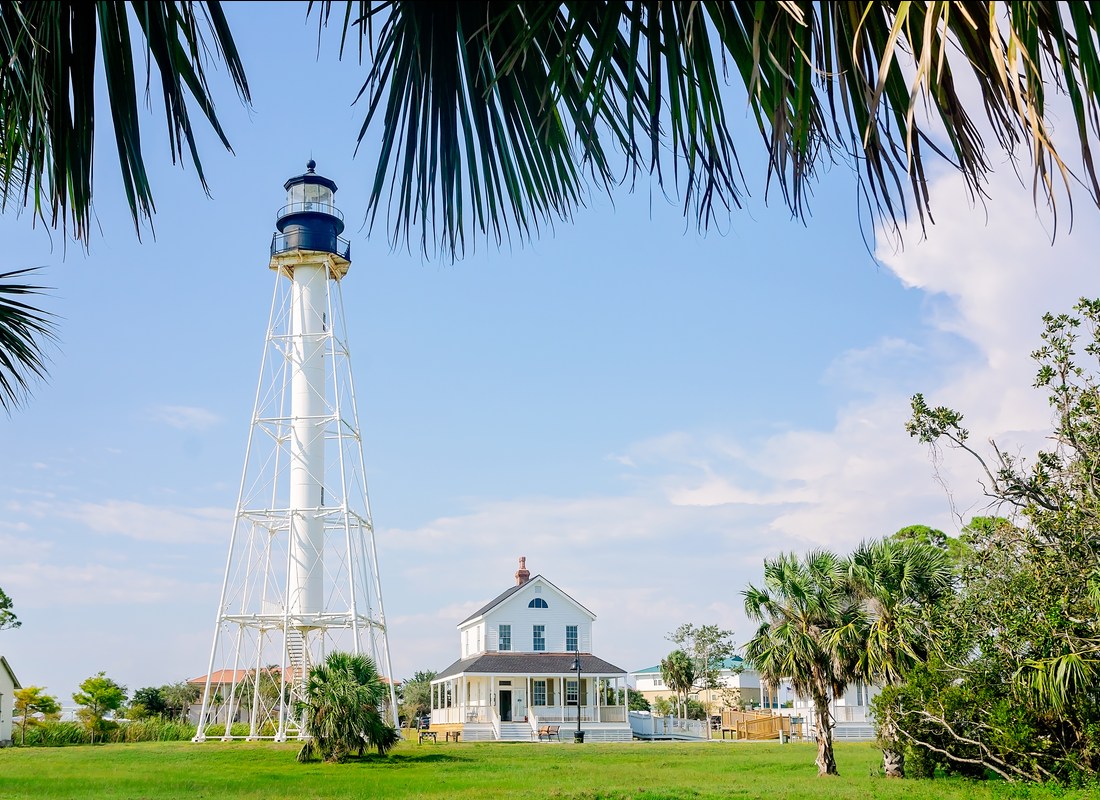
If you own a vacation rental on Cape San Blas, in Port St. Joe, at Indian Pass, WindMark Beach, or Mexico Beach, your insurance is doing a different job than the policy on a home you live in full time. Guests come and go weekly, the Gulf is steps away, and hurricane season runs six months. The right coverage protects the house, your rental income, and you.
At Renting the Coast, we manage vacation homes all over Gulf County, and one of the most common questions owners ask us is, "Am I actually covered?" This guide walks through the basics of vacation rental insurance on Cape San Blas and short-term rental insurance in Florida, what to ask, and where the gaps tend to hide. For quotes and policy advice, we work with our local insurance partner, Insuring the Coast, an independent insurance agency in Port St. Joe, on Reid Avenue.
In this guide
- Why a Regular Homeowners Policy Often Falls Short for Short-Term Rentals
- The Core Coverages Every Gulf County Rental Owner Should Review
- Wind and Hurricane Coverage on the Forgotten Coast
- Flood Insurance: NFIP vs. Private Flood
- What to Ask Your Insurance Agent
- Quick Checklist for Cape San Blas Rental Owners
- Frequently Asked Questions
Why a Regular Homeowners Policy Often Falls Short for Short-Term Rentals
A standard homeowners policy is built for a home you live in. Many of these policies limit or exclude coverage when the home is used for business, and renting to paying guests can count as business use. Depending on the policy wording, a claim that happens during a guest stay could be limited or denied, and in some cases not telling the insurer about rental use can put the whole policy at risk.
Landlord (dwelling fire) policies are designed mainly for long-term tenants, so they may not fit a home that turns over every few nights either. That's why many owners look at a policy or endorsement written specifically for short-term rentals. Insuring the Coast explains the difference in its guide to short-term rental insurance for Florida vacation homes.
Bottom line: tell your agent exactly how the home is used, including how many nights it's rented, whether you use it yourself, and whether a manager runs it. Then make sure the policy is written for that use.
The Core Coverages Every Gulf County Rental Owner Should Review

Dwelling (the structure)
This covers the house itself. Look at whether the limit reflects what it would cost to rebuild today, not what you paid or what the home would sell for.
Liability for guest injuries
When you host guests, liability is a big deal. Think about slips on wet stairs, a fall from a deck, or a problem at the pool or hot tub. Liability coverage can help with legal defense and covered damages if a guest is hurt. Ask how the policy treats paying guests specifically, and whether amenities you offer, like bikes, kayaks, paddleboards, or a golf cart, are covered or excluded. Many owners also add an umbrella policy for extra liability limits above the base policy.
Loss of rental income
If a covered loss makes the home unlivable, you could lose weeks or months of bookings during repairs. Loss of rental income (sometimes called fair rental value or business income) can help replace that income after a covered claim. Check how the policy calculates the amount, how long it pays, and whether it applies to wind and flood losses, because those are often handled differently.
Contents and furnishings
A furnished rental has a lot of contents: furniture, linens, kitchenware, TVs, and beach gear. Make sure contents are covered for rental use, and ask whether the policy pays replacement cost or actual cash value (which subtracts depreciation).
Wind and Hurricane Coverage on the Forgotten Coast
On Florida's Gulf Coast, wind coverage needs its own close look. Depending on the property and the carrier, wind may be included in the main policy or written separately. Many Florida policies have a separate hurricane deductible, often a percentage of the dwelling limit rather than a flat dollar amount. A percentage deductible can mean a much bigger out-of-pocket cost than owners expect, so do the math before storm season.
A few things to ask about:
- The hurricane deductible: how much it is, and how it applies over a whole season.
- Roof coverage: whether the roof is settled at replacement cost or actual cash value, especially on an older roof.
- Wind mitigation credits: features like hurricane straps, impact-rated windows or shutters, and roof-to-wall connections can lower wind premiums in Florida. A wind mitigation inspection documents those features.
- Debris removal and code upgrades: what happens if rebuilding has to meet newer building codes.
Flood Insurance: NFIP vs. Private Flood
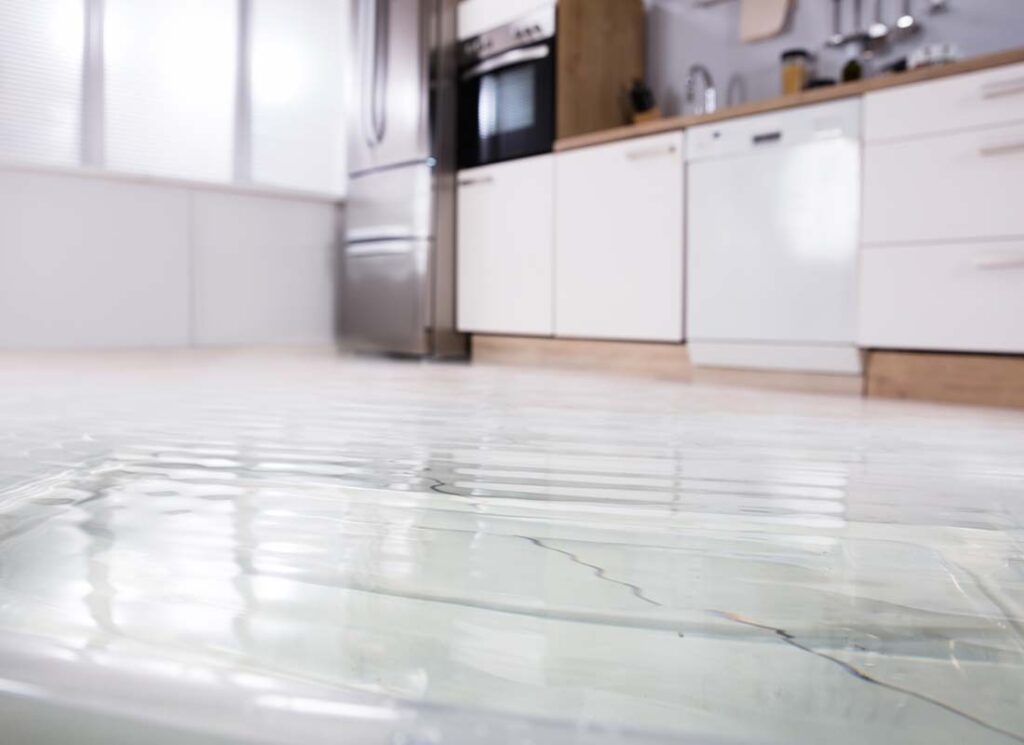
This is the coverage gap that hurts owners most. Standard homeowners and short-term rental policies generally do not cover flood, and that includes storm surge. On a barrier peninsula like Cape San Blas, or along St. Joseph Bay and the Gulf, flood coverage deserves real attention even if your lender doesn't require it.
There are two main options:
- National Flood Insurance Program (NFIP): NFIP policies are backed by the federal government and sold through agents. They have set maximum building and contents limits, and a new policy usually has a 30-day waiting period before it takes effect, with limited exceptions such as some loan closings. NFIP policies generally don't cover loss of rental income, and coverage below the lowest elevated floor of an elevated home is limited.
- Private flood insurance: Private flood policies may offer higher limits, different waiting periods, and, on some policies, extras like loss of use or rental income. Terms, eligibility, and pricing vary a lot from one carrier to the next.
Florida has also been phasing in a requirement for homes insured through Citizens Property Insurance Corporation to carry flood coverage, so ask your agent whether that applies to you. Learn more about flood insurance for coastal Florida homes and how NFIP and private flood policies work.
Not sure whether your rental has the right wind and flood coverage?
What to Ask Your Insurance Agent
Bring these questions to your next policy review:
- Is this policy written for short-term or vacation rental use, and does it match how often I rent?
- How does liability coverage treat paying guests, and are amenities like the pool, golf cart, kayaks, or bikes covered?
- Do I have loss of rental income coverage, and does it apply to wind and flood losses?
- What is my hurricane deductible in dollars, not just as a percentage?
- Is my roof covered at replacement cost or actual cash value?
- Do I have flood coverage, and would NFIP or private flood fit this property better?
- Are contents covered at replacement cost for a furnished rental?
- Would a wind mitigation inspection or an umbrella policy make sense for me?
An independent agency can compare options from more than one company, which is helpful on the coast, where available coverage changes. Insuring the Coast offers an insurance policy review for rental owners if you'd like a second look at what you already have.
Quick Checklist for Cape San Blas Rental Owners
- ✓Told the insurer the home is a short-term rental
- ✓Dwelling limit reflects today's rebuild cost
- ✓Liability limits reviewed (and umbrella considered)
- ✓Loss of rental income coverage in place
- ✓Contents covered for rental use
- ✓Hurricane deductible understood in dollars
- ✓Flood coverage in place, renewed well before storm season
- ✓Wind mitigation inspection on file
- ✓Photo or video inventory of the home saved somewhere safe
- ✓Policy reviewed every year before June 1
How Renting the Coast and Insuring the Coast Work Together
Good property management and the right insurance go together. Renting the Coast handles guest screening, housekeeping, inspections, proactive Cape San Blas vacation rental maintenance, and storm prep, which helps prevent claims in the first place. Insuring the Coast helps make sure that when something does happen, you're protected. If you're thinking about renting your home, see how our Cape San Blas vacation rental management works.
Ready to check your coverage? Get a short-term rental insurance quote from our partners at Insuring the Coast.
Prefer to stop by? Visit their Port St. Joe insurance office at 402 Reid Avenue, Port St. Joe, FL 32456.
Frequently Asked Questions
Does homeowners insurance cover my Airbnb or VRBO rental in Florida?
Often not fully. Many homeowners policies limit or exclude business use, and renting to paying guests may count. Ask your agent whether you need a short-term rental policy or endorsement.
Do I need flood insurance on Cape San Blas if my lender doesn't require it?
It's strongly worth considering. Standard policies generally exclude flood and storm surge, and many flood losses happen outside high-risk zones. NFIP policies usually have a 30-day waiting period, so plan ahead.
Will insurance pay for my lost bookings after a hurricane?
It can, if your policy includes loss of rental income coverage and the damage is a covered loss. Check whether that coverage applies to wind and flood losses, since those are often written separately.
What is a wind mitigation inspection?
It's an inspection that documents storm-resistant features of your home, like roof attachments, roof shape, and opening protection. In Florida, those features may qualify you for wind premium discounts.
Are golf carts and kayaks I provide to guests covered?
Not always. Many policies limit or exclude motorized vehicles and watercraft, so ask your agent about separate golf cart or watercraft coverage and how liability applies.
This article is general information only. It isn't a policy, a guarantee of coverage, or legal advice. Coverage depends on the specific policy, the carrier, and your property. Talk with a licensed insurance agent about your situation.


