
On the Forgotten Coast, your roof does more work than almost any other part of your vacation rental. It takes the full force of summer sun, salt air off the Gulf, afternoon thunderstorms, and the occasional tropical system, all while guests are inside enjoying their week on Cape San Blas or in Port St. Joe. It is also one of the first things an insurance company asks about, and its age and condition can shape which policies are available and how a roof claim is paid.
At Renting the Coast, we manage vacation homes across Gulf County, and roof questions come up constantly, from owners buying an older beach house to owners planning a reroof between booking seasons. This guide explains why insurers focus on roofs, the difference between replacement cost and actual cash value, and how to plan a new roof with insurance in mind. For coverage questions, we work with our local partner, Insuring the Coast, an independent insurance agency in Port St. Joe.
Why Insurers Pay So Much Attention to Your Roof
A roof is the home's first line of defense against wind and rain. When a roof covering fails, water can get into the attic, ceilings, walls, and furnishings, and a small problem can become a large claim. That is why underwriters look closely at a few roof details before they offer or renew a policy.
Roof Age
Insurers typically ask what year the roof was installed or last replaced, and many ask for proof such as a permit record or a roofer's invoice. In Florida, state law limits an insurer's ability to refuse to write or renew a homeowners policy solely because of a roof's age when the roof is less than 15 years old, and owners of older roofs may be able to show remaining useful life with an inspection. There are conditions and exceptions, so treat this as a starting point for a conversation with your agent, not a promise of coverage.
Roof Material and Condition
Shingle, metal, and tile roofs age differently, and insurers may treat them differently too. Condition matters as much as age. Missing or curling shingles, rust, soft spots, and past leaks are the kinds of things an inspector will note.
Roof Shape and Attachment
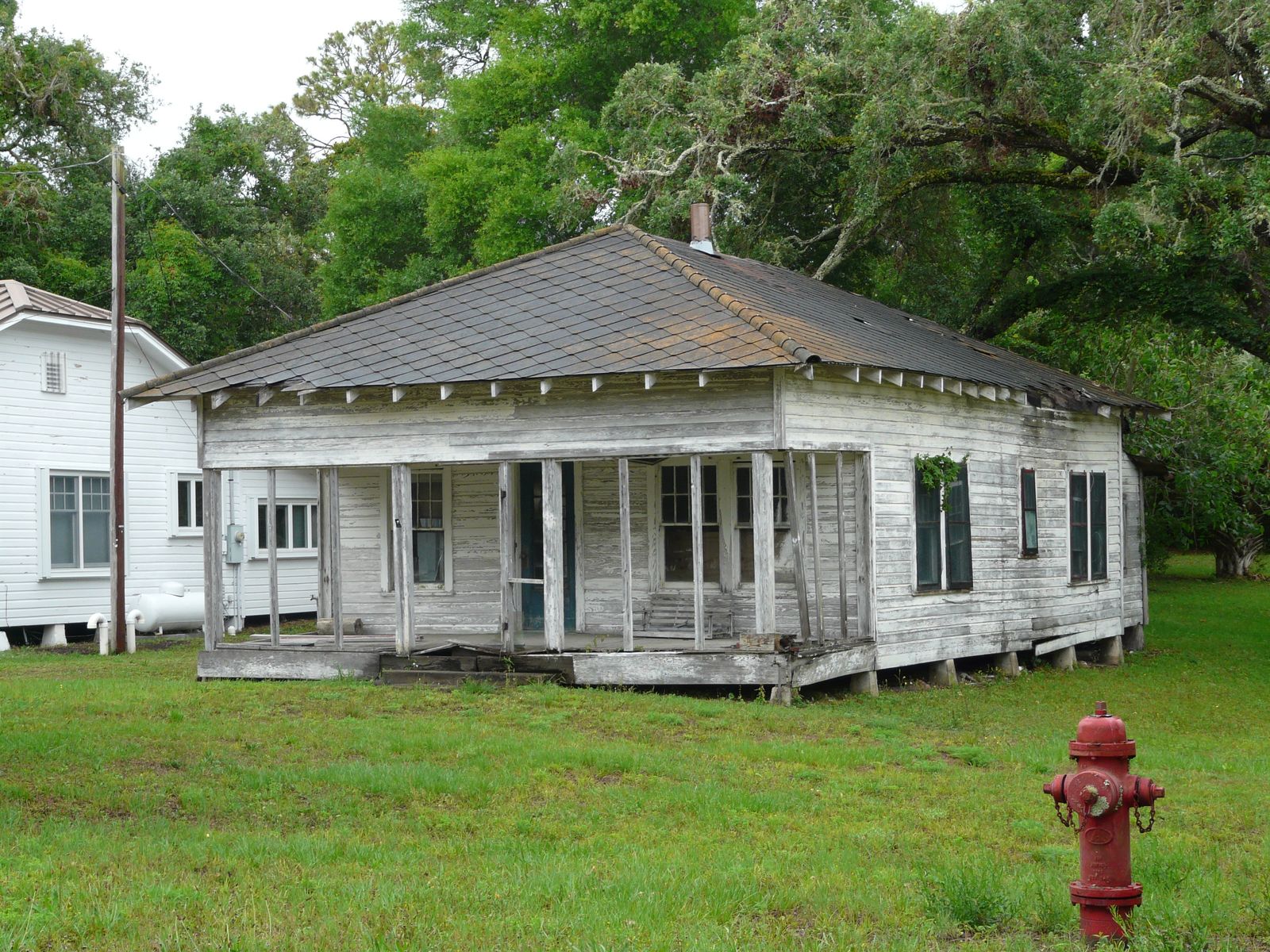
The way a roof is built affects how it handles wind. A hip roof slopes down on all four sides, while a gable roof has flat triangular ends. How the roof deck is nailed down and how the roof is tied to the walls also matter. These features are documented on a wind mitigation inspection, which Insuring the Coast explains in its guide to Florida wind mitigation inspections in Port St. Joe.
Replacement Cost vs. Actual Cash Value for Your Roof
Two homes with identical roof damage can receive very different claim payments depending on how the policy values the roof. This is one of the most important details to understand before a storm, not after.
Replacement Cost
Replacement cost coverage generally pays what it costs to repair or replace damaged roofing with materials of like kind and quality, without subtracting for depreciation, up to your policy limits and after your deductible. Some policies pay the depreciated amount first and the rest once the repair is completed, so keep your contractor invoices.
Actual Cash Value
Actual cash value coverage subtracts depreciation for age and wear. On an older roof, depreciation can be a meaningful part of the cost, which means the owner covers more of the replacement out of pocket. Some Florida policies apply actual cash value or a roof payment schedule only to the roof covering while the rest of the home is on replacement cost, so read the roof section of your policy carefully.
How Deductibles Fit In
Your deductible comes off the top of a covered roof claim either way. For damage from a named hurricane, a separate hurricane deductible usually applies, and it is often a percentage of your dwelling coverage rather than a flat dollar amount. Our earlier post on filing a hurricane claim for a Gulf County vacation rental walks through how that plays out after a storm.
Insuring the Coast covers the basics of these valuation options in replacement cost vs. actual cash value for roofs, and it is worth reading alongside your own declarations page.
Not sure whether your roof is on replacement cost or actual cash value?
What Changes When Your Home Is a Vacation Rental
Roof issues on a rental home have a few extra wrinkles.
- Nobody lives there full time. A slow leak can go unnoticed for days between turnovers. Ask your cleaning and maintenance teams to report ceiling stains, musty smells, or water spots right away.
- Leaks affect bookings. A roof problem can mean a canceled stay, a refund, or an unhappy review on top of the repair. Loss of rental income coverage, if your policy includes it, generally responds only when the damage itself is covered.
- Wear and tear is not a covered loss. Most property policies are built for sudden, accidental damage, not gradual deterioration. Roofs near the end of their life, poor maintenance, and long-term leaks can lead to disputes or denied claims.
- Your rental use must be disclosed. A standard homeowners policy may not fit a home rented to guests, so make sure the policy on your home is written for how it is really used.
Planning a Reroof With Insurance in Mind
If your roof is getting older, a planned replacement can be smoother than an emergency one. A few steps help the work pay off on the insurance side, too.
Time It Around Bookings and Storm Season
Many Gulf County owners schedule roofing work in the slower months so it does not interrupt peak rental weeks. Planning ahead also helps you avoid starting a project during the height of hurricane season. We can help you block the calendar and coordinate access for contractors.
Use a Licensed Contractor and Pull a Permit
A permitted roof installed to the current Florida Building Code gives insurers a documented install date and may improve how the home is rated for wind. Ask your roofer about secondary water resistance, such as sealed deck seams or a peel-and-stick underlayment, and improved deck attachment. These upgrades are typically easiest to add while the old roof is off.
Update Your Paperwork Afterward
Once the job is done, send your agent the permit, final inspection, and invoice. A new wind mitigation inspection for your Gulf County rental can document the new roof's features, which may affect your wind credits depending on your insurer. If the roof was on actual cash value, ask whether replacement cost options are available now. And check that your dwelling limit still reflects what it would cost to rebuild today, as Insuring the Coast describes on its home insurance coverage page.
Quick Checklist: Roofs and Your Rental Policy
- ✓Find the year your roof was installed and keep the permit or invoice on file.
- ✓Read the roof section of your policy and note whether the roof is on replacement cost, actual cash value, or a payment schedule.
- ✓Write down your all-other-perils and hurricane deductibles.
- ✓Ask your maintenance team to report ceiling stains, missing shingles, or debris after storms.
- ✓Take dated photos of the roof each season so you have a record of its condition.
- ✓Keep your wind mitigation inspection current, especially after a reroof.
- ✓If a reroof is coming, schedule it in a slower booking month and ask about secondary water resistance.
- ✓After any roof work, send updated documents to your agent and request a policy review.
How Renting the Coast and Insuring the Coast Work Together
Renting the Coast handles the day-to-day side of your vacation rental: guest stays, turnovers, maintenance coordination, and keeping an eye on the property between bookings. Insuring the Coast is a local, independent agency on Reid Avenue in Port St. Joe that can review how your roof is valued, explain your deductibles, and shop rental-appropriate coverage from multiple insurance companies, subject to availability and underwriting.
Want a second look at how your roof is covered? Request a quote from our partners at Insuring the Coast.
Prefer to stop by? Visit their Port St. Joe insurance office at 402 Reid Ave Ste B, Port St. Joe, FL 32456, or call (850) 203-3643.
Frequently Asked Questions
Can an insurer refuse my home because of the roof's age?
Florida law limits refusals based solely on roof age for roofs under 15 years old, and owners of older roofs may be able to show remaining useful life with an inspection. Condition, material, and other underwriting factors still matter, so ask your agent how your roof will be viewed.
What is the difference between replacement cost and actual cash value on a roof?
Replacement cost generally pays to repair or replace the roof without subtracting depreciation. Actual cash value subtracts depreciation for age and wear, so the payment on an older roof is usually lower.
Will a new roof change my insurance?
It can. A permitted new roof gives insurers a current install date, and a new wind mitigation inspection may document features that affect wind credits. Results depend on your home and your insurer.
Does insurance pay for a roof that is just old?
Generally no. Property policies are designed for sudden, accidental damage from covered causes, not normal wear and tear or long-term deterioration.
What is a 4-point inspection?
A 4-point inspection looks at a home's roof, electrical, plumbing, and heating and air systems. Insurers often ask for one on older homes before writing a policy.
This article is general information, not policy or legal advice. Coverage, roof valuation, and deductibles depend on your specific policy and current Florida law, so review the details with a licensed insurance agent.


