
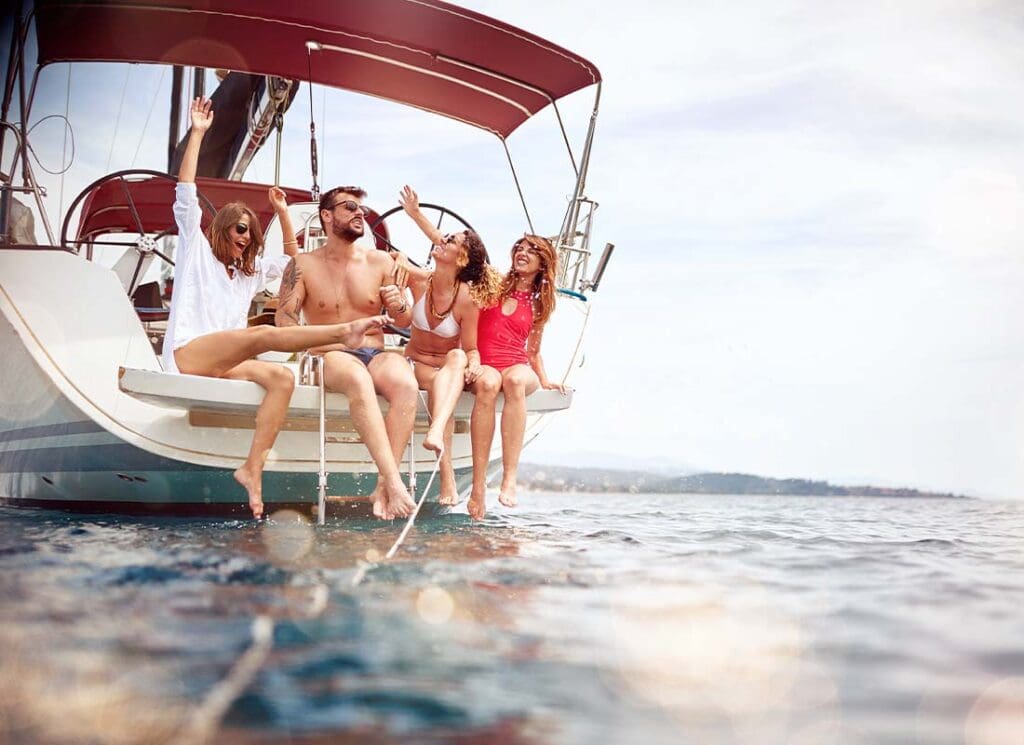
St. Joseph Bay is a big part of why people buy on Cape San Blas, Indian Pass, and in Port St. Joe. Plenty of owners keep a boat on a lift or trailer for their own scallop trips, and many rentals come stocked with kayaks and paddleboards so guests can explore the bay. Water toys make a stay memorable, but they also raise insurance questions that a standard home or rental policy may not answer.
At Renting the Coast, we field these questions from owners every season: Is my boat covered at the dock? What if a guest flips a kayak? Can guests use my jet ski? This guide walks through how watercraft fits with your rental's coverage, what a boat policy usually includes, how guest use changes the picture, and how to plan for hurricane season. For the insurance side, we work with our local partner, Insuring the Coast, an independent insurance agency in Port St. Joe.
Why Your Home or Rental Policy May Not Cover Your Boat
Many owners assume anything kept at the house is covered by the house policy. With watercraft, that is often not true.
Limited Watercraft Coverage on Home Policies
Personal homeowners policies commonly give only narrow coverage for watercraft. Coverage for the boat itself may be capped at a small dollar amount, and liability for watercraft is often limited by the boat's length, horsepower, or type, with larger or faster boats and personal watercraft excluded. Policies written for rental dwellings, which many Gulf County rentals carry, may offer even less. The only way to know is to read your own policy's watercraft language with your agent.
What the House Policy Usually Isn't Built For
Even when a home policy includes some watercraft coverage, it is not designed for the risks of actually running a boat: collisions on the water, damage to other boats and docks, towing, fuel spills, or sinking. That is why most owners who keep a powerboat or personal watercraft carry a separate policy.
What a Boat Policy Typically Includes
Insuring the Coast's page on watercraft insurance for boats and personal watercraft breaks a boat policy into parts. Names and availability vary by policy, but these are the pieces to discuss:
- Physical damage, made up of collision (hitting another vessel, a dock, or a submerged object) and comprehensive (theft, vandalism, fire, and weather), usually with a deductible.
- Bodily injury and property damage liability if your boat injures someone or damages another boat, dock, or piling.
- Uninsured or underinsured boater coverage if another boater without enough insurance causes an accident.
- Towing and on-water assistance for breakdowns, running out of fuel, or running aground.
- Personal property and unattached equipment such as fishing gear, safety equipment, and coolers.
- Fuel spill and pollution liability and recovery or salvage if the boat leaks fuel or sinks.
- Hurricane haul-out coverage, which can help pay to pull the boat or move it to a safer harbor ahead of a named storm.
Agreed Value vs. Actual Cash Value
Ask how the boat is valued at a total loss. Some policies pay an agreed value set when the policy is written, while others pay actual cash value, which accounts for depreciation. The difference can matter a great deal on an older boat, so make sure you understand which one you have.
Not sure your boat or guest gear is covered?
When Guests Use Your Watercraft
This is where rental owners differ most from someone who keeps a boat purely for family use.

Kayaks, Paddleboards, and Beach Gear
Non-motorized gear like kayaks, canoes, and paddleboards is a popular amenity. The main question is liability: if a guest is hurt using gear you provide, how does your rental policy respond? Ask your agent whether guest use of these items is covered, excluded, or limited, and whether an umbrella would sit on top. Our article on guest injuries and liability at Gulf County rentals covers the broader liability picture. Keep gear in good repair, provide properly sized life jackets, and post plain safety notes about wind, tides, and staying close to shore.
Boats and Jet Skis
Letting guests operate your powerboat or jet ski is a much bigger step. Many personal boat policies are written for use by you and people you permit, and they may exclude or limit coverage when the vessel is rented, chartered, or used for business. Florida law also has rules that apply here: anyone born on or after January 1, 1988, must carry a Florida boating safety identification card (or an approved equivalent) and photo ID to operate a vessel with a motor of 10 horsepower or more, and no one under 14 may operate a personal watercraft.
Renting Watercraft for a Fee
If you advertise a vessel for rent to the public, Florida may consider you a livery, which requires a permit from the Florida Fish and Wildlife Conservation Commission and insurance that meets state requirements. Before you add a boat or jet ski to your listing, talk with your agent and an attorney about whether guest use is personal or commercial, and how it fits your overall short-term rental insurance setup. Many owners find it simpler to point guests to a licensed local rental outfitter instead.
Planning for Hurricane Season
A boat on the bay is exposed to the same storms as your rental, and some planning before June can make a claim easier.
Know Your Storm Plan and Deductible
Some boat policies ask for a written hurricane plan and may apply a separate named-storm deductible. Ask your agent how wind and storm damage to the boat are handled, what the deductible is, and whether haul-out coverage applies. Insuring the Coast explains how hurricane deductibles and wind coverage work, and our guide to hurricane deductibles for Gulf County rentals walks through the math on the house side.
Lifts, Trailers, and Marinas
Where the boat sits during a storm matters. A boat left on a lift can be exposed to surge and wind, while a trailered boat can be moved inland if you plan ahead. If you keep the boat at a marina, read the slip agreement, since many marinas require proof of insurance and have their own storm procedures. Ask whether your policy covers the trailer and how docks, lifts, and seawalls are treated under your property policy, since some policies limit coverage for these structures. Photograph the boat, motor, trailer, and gear before the season.
Liability Limits and Umbrella Coverage
A serious boating accident can lead to a large liability claim, and rental owners already carry liability exposure from guests. An umbrella policy can add limits above your boat, auto, and property policies, but it usually requires certain minimum limits on each underlying policy, and the boat may need to be listed. Ask Insuring the Coast how umbrella insurance would fit with your watercraft and rental coverage.
Quick Checklist: Watercraft at Your Rental
- ✓List every boat, jet ski, kayak, and paddleboard at the property
- ✓Read how your home or rental policy treats watercraft
- ✓Confirm each motorized vessel has its own policy and registration
- ✓Ask whether the boat is insured at agreed value or actual cash value
- ✓Decide which items guests may use, and tell your agent
- ✓Check boater education and age rules before anyone operates a motorized vessel
- ✓Write a hurricane plan for the boat and confirm haul-out coverage
- ✓Review liability limits and whether an umbrella applies
How Renting the Coast and Insuring the Coast Help
Our team can add water-safety notes and gear rules to your welcome book, check kayaks and paddleboards between stays, and help secure gear when a storm threatens. For the boat and liability side, Insuring the Coast can look at how your watercraft is actually used and walk you through options during an annual policy review.
Keep a boat, jet ski, or kayaks at your rental? Request a quote from our partners at Insuring the Coast and make sure your watercraft is covered the way it is actually used.
Prefer to stop by? Visit their Port St. Joe insurance office at 402 Reid Ave Ste B, Port St. Joe, FL 32456, or call (850) 203-3643.
Frequently Asked Questions
Does my homeowners policy cover my boat?
Sometimes, but usually only in limited ways. Many home policies cap coverage for the boat and limit or exclude liability based on size, horsepower, or type. Policies for rental dwellings may give even less.
Are kayaks and paddleboards I provide to guests covered?
It depends on your rental policy's liability language. Ask your agent how guest use of non-motorized gear is treated and whether an umbrella would apply.
Can rental guests drive my boat or jet ski?
Your policy may limit coverage when someone outside your household operates the vessel or pays to use it. Florida also has boater education and age rules. Talk with your agent before allowing it.
What is hurricane haul-out coverage?
It can help pay to haul your boat out of the water or move it to a safer harbor when a named storm threatens. Ask whether your policy includes it and what conditions apply.
Do I need a separate policy for a jet ski?
Personal watercraft are often excluded from home policies, so most owners carry a separate watercraft policy. Ask your agent to confirm.
This article is general information, not policy or legal advice. Coverage, definitions, and requirements depend on your specific policy and current Florida law, so review the details with a licensed insurance agent and, for rental agreements or watercraft rentals, an attorney.


