
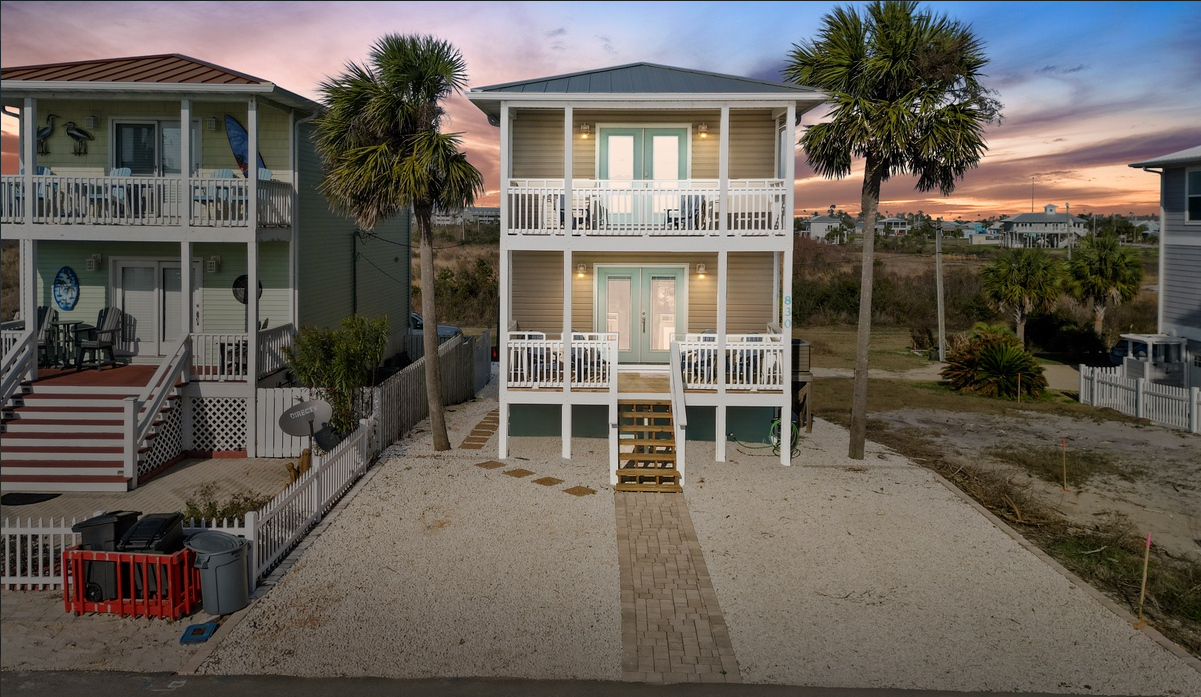
1. Location Matters More Than Almost Anything Else
A beautiful house does not automatically make a successful short-term rental. Guests typically choose a destination first and then compare available properties within that area.
Consider how close the property is to beaches, restaurants, shopping, attractions, boat ramps, parks, and other popular activities. A property located near the beach or within a desirable community may generate more bookings than a similar property located farther away.
You should also evaluate the surrounding area. Guests notice road noise, nearby construction, difficult parking, limited beach access, and neighboring properties. Visit the home at different times of the day before making a decision.
2. Research Local Short-Term Rental Rules
Not every property can legally operate as a short-term rental. Rules may be established by the city, county, homeowners association, condominium association, or neighborhood development.
Before purchasing, confirm:
- Whether short-term rentals are allowed
- Whether there is a minimum-night requirement
- Whether a rental license or registration is required
- Whether occupancy limits apply
- Whether parking restrictions exist
- Whether the HOA charges rental-related fees
- Whether there are rules for pools, golf carts, signs, trash, or outdoor lighting
Always verify information coming from Zillow, sometimes listing information does not properly convert. Check with a trusted real estate broker like Selling the Coast in Port St Joe, Florida.
3. Use Realistic Rental Income Projections
Projected rental income should be based on comparable properties, not the highest-performing home in the market.
Compare homes with similar:
- Locations
- Bedroom and bathroom counts
- Amenities
- Beach access
- Pool availability
- Property condition
- Sleeping capacity
- Interior design
A professionally designed beachfront home with a private pool will likely perform differently than an older home several blocks from the beach.
Income also changes throughout the year. Coastal markets may have strong spring and summer demand but slower fall and winter periods. Investors should review monthly performance instead of relying only on an annual revenue estimate.
4. Understand All Operating Expenses
Gross rental revenue is not the same as profit. Short-term rentals have several expenses that traditional long-term rentals may not have.
Common expenses include:
- Property management fees
- Cleaning and linen expenses
- Utilities
- Internet and television service
- Repairs and maintenance
- Lawn and pool service
- Pest control
- Replacement furniture and household items
- Booking platform fees
- Insurance
- Property taxes
- HOA dues
- Licensing and registration fees
You should also maintain a reserve for major repairs, such as an HVAC replacement, roof work, appliance replacement, pool equipment, plumbing repairs, and storm damage.
A property may generate impressive gross revenue but still produce limited cash flow if expenses are underestimated.
5. Property Condition Affects Revenue
Guests expect short-term rentals to be clean, comfortable, functional, and accurately represented online. Older furniture, worn flooring, stained bedding, outdated décor, and deferred maintenance can lead to poor reviews.
Before buying, consider whether the property needs:
- New furniture
- Fresh paint
- Updated lighting
- New mattresses
- Professional landscaping
- Additional parking
- Better outdoor furniture
- Improved internet
- Pool repairs
- Updated appliances
The condition of the home affects both the nightly rate and the guest experience. A lower-priced property may require a significant investment before it is ready to compete with other vacation rentals.
6. Insurance Is Different for Short-Term Rentals
A standard homeowners insurance policy may not provide appropriate coverage when a property is regularly rented to guests.
Short-term rental owners may need specialized coverage for the structure, personal property, liability, loss of rental income, and certain commercial rental activities. Coastal properties may also require separate wind, flood, or excess liability coverage.
Insurance costs should be reviewed before purchasing the home. Obtain estimates early, especially when buying near the coast, in a flood zone, or in an area with significant wind exposure.
7. Decide How the Property Will Be Managed
Managing a short-term rental requires frequent communication, marketing, pricing adjustments, guest support, inspections, cleaning coordination, maintenance, and review management.
Some owners choose to self-manage, while others hire a professional property management company. Self-management may reduce management fees, but it can also require substantial time and availability.
A professional property manager may assist with:
- Listing creation and marketing
- Dynamic pricing
- Guest communication
- Cleaning coordination
- Property inspections
- Maintenance
- Owner reporting
- Local recommendations
- Emergency response
Speak with a property management company before purchasing. An experienced local manager can provide insight into potential revenue, operating expenses, guest expectations, and improvements that may increase bookings.
Reach out to us here, for more information on our services.
8. Buy for the Guest, Not Just Yourself
Owners sometimes purchase and decorate a property based entirely on personal preferences. However, a successful short-term rental should be designed around the needs of its target guests.
Families may value bunk rooms, large dining tables, pools, beach equipment, and spacious kitchens. Couples may prioritize privacy, water views, and high-quality furnishings. Guests traveling with pets may look for fenced yards and durable flooring.
The best investment is usually a property that combines owner enjoyment with strong guest appeal.
Final Thoughts
Buying a short-term rental can be a rewarding investment, but careful planning is essential. Before purchasing, review local regulations, realistic rental projections, property condition, insurance costs, operating expenses, and management options.
A knowledgeable real estate professional, insurance agent, lender, and local property manager can help you evaluate the full picture before making an offer. The more information you gather in advance, the better prepared you will be to purchase a short-term rental that attracts guests, earns positive reviews, and supports your long-term investment goals.


