
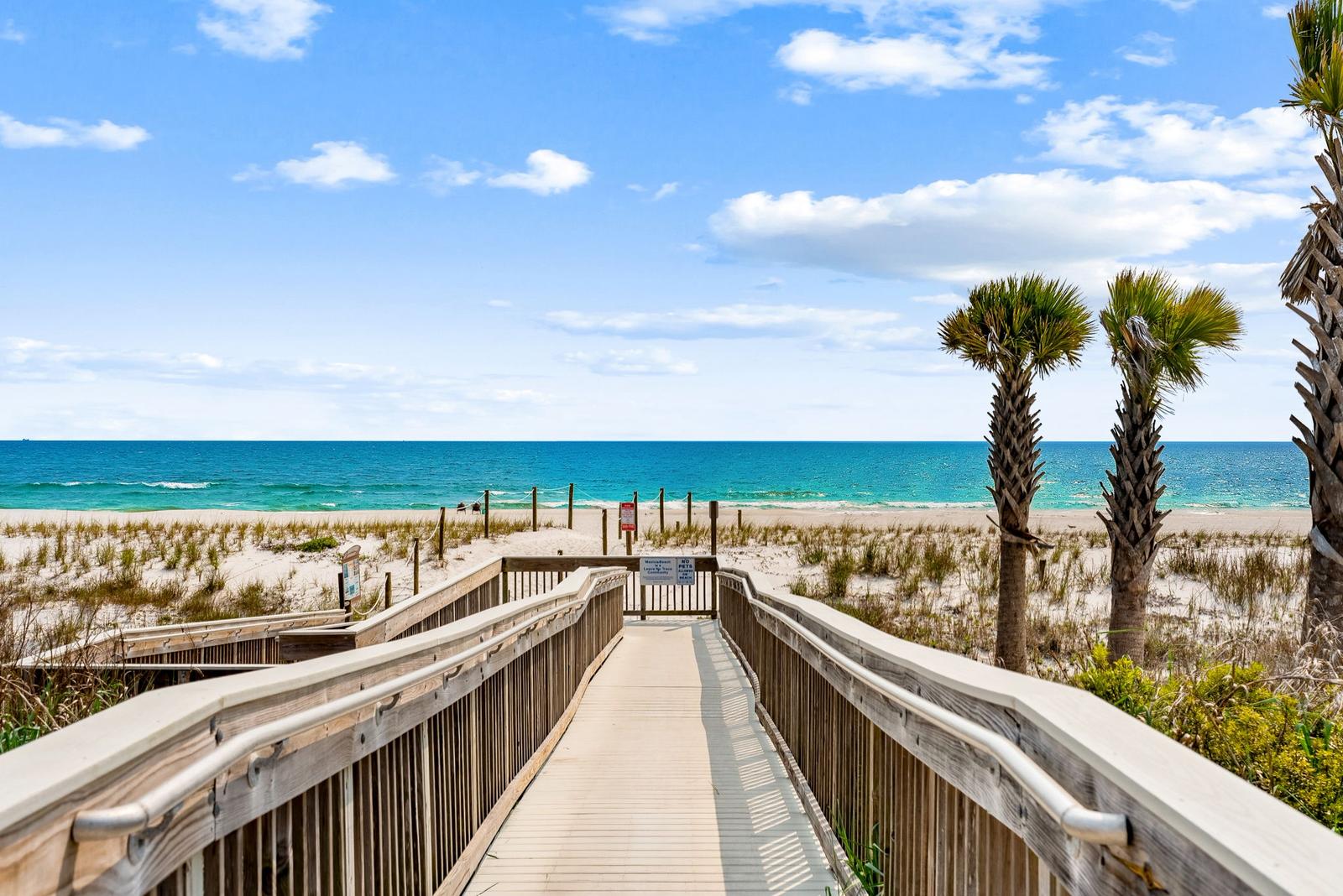
Along the northeastern Gulf, the communities of Port St. Joe and Cape San Blas have developed with a pattern that differs from larger coastal destinations. Their structure reflects steady growth, limited density, and a local orientation that supports family use. At the same time, their proximity to Panama City Beach allows access to a different environment when desired.
Historically, Port St. Joe functioned as a working town tied to industry and local commerce. Residential areas, schools, and civic institutions formed around daily routines rather than seasonal tourism. This foundation created a setting where neighborhoods were designed for long term living. Streets, parks, and public spaces developed with consistent use in mind, supporting families rather than short term volume.
Cape San Blas followed a different path. Its geography limited large scale development, and access remained controlled by a single roadway. As a result, the area evolved with fewer high density projects. Homes are distributed along the shoreline and bay, with space between properties and direct access to natural features. This layout contributes to a setting where activity is spread out rather than concentrated.
The environmental structure of these communities reinforces their use by families. Beaches along this section of coast are wide and gradual, allowing for extended shoreline access. St. Joseph Bay provides calmer water conditions compared to open Gulf areas, supporting activities such as swimming, fishing, and paddling. These conditions create predictable use patterns that align with family recreation rather than high turnover tourism.
Public spaces and daily routines further support this environment. Schools, local businesses, and community events operate on schedules that reflect year round residency. Seasonal increases in visitors occur, but they do not displace the underlying structure of the community. This continuity allows families to maintain consistent routines even during peak periods.
Property use patterns have also shaped the family orientation of the area. Many homes are used as second residences or managed as short term rentals with extended stays. Companies such as https://www.rentingthecoast.com/ and https://www.rentingthecoast.com/rentals contribute to a system where properties are maintained for repeat occupancy. Cleanliness standards, maintenance cycles, and communication practices create a stable experience for guests, many of whom return on a recurring basis.
Real estate activity reflects similar trends. Brokerages such as https://www.sellingthecoastfl.com/ and https://www.sellingthecoastfl.com/properties operate in a market where buyers often seek long term use rather than short term speculation. Families purchasing in the area frequently intend to use properties across multiple seasons, reinforcing the residential nature of the community.
Despite this slower pace, the region does not exist in isolation. Panama City Beach is located within a reasonable driving distance and provides access to a higher density environment. This nearby market includes larger retail centers, entertainment venues, and organized attractions that are not present in Port St. Joe or Cape San Blas.
From a historical perspective, this proximity creates a dual structure. Families can reside or stay in a lower density setting while retaining access to a more active destination when desired. Day trips to Panama City Beach allow for participation in activities such as shopping, dining, and entertainment, after which individuals can return to a quieter environment. This pattern has existed for years and continues to define how the region is used.
The contrast between these areas is not incidental. Panama City Beach developed with a focus on tourism volume, resulting in high density accommodations and a concentration of attractions. Port St. Joe and Cape San Blas, by comparison, maintained controlled growth. This divergence has allowed each area to serve a different function without direct overlap.
In practical terms, this creates flexibility for families. Daily life can occur in an environment that supports routine, space, and consistency. When a change of pace is desired, access to a more active setting is available without requiring relocation or extended travel. The ability to move between these two conditions within a short distance is a defining feature of the region.
In the present period, this structure continues to attract attention. Families evaluating coastal destinations often consider both environment and access. The Forgotten Coast provides a setting where residential stability is preserved while external options remain available. This balance supports long term use and repeat visitation.
From a broader perspective, the combination of Port St. Joe, Cape San Blas, and nearby Panama City Beach represents a coastal system with complementary roles. One area maintains a family oriented environment shaped by historical development patterns. The other provides access to a faster pace and expanded amenities. Together, they offer a range of experiences within a limited geographic area.


