
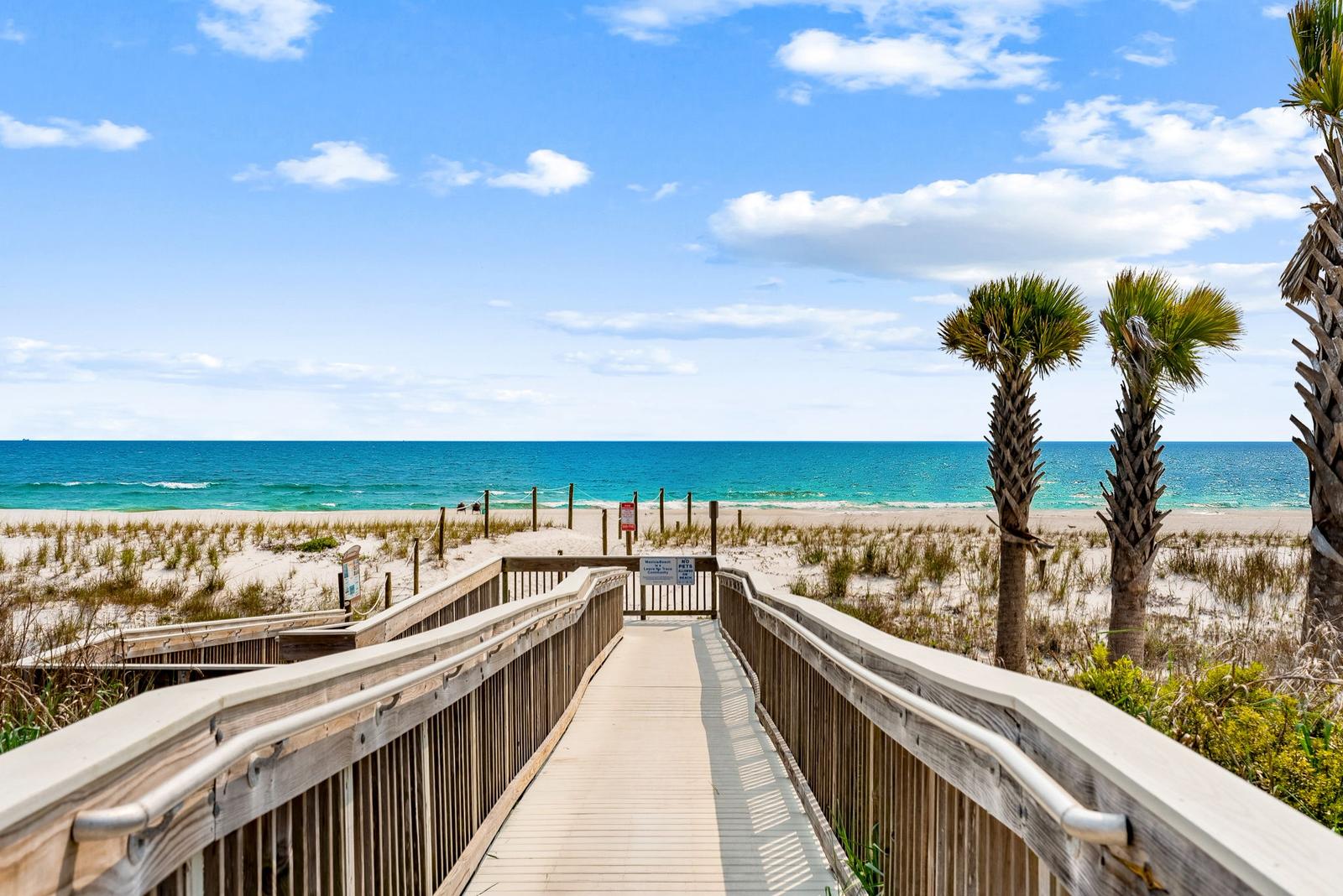
Along the shoreline of the Florida Panhandle, the region commonly referred to as the Forgotten Coast has developed under conditions that differ from more heavily populated coastal markets. Communities such as Mexico Beach and Port St. Joe have not experienced the same scale of rapid expansion, and this has influenced how risk, property, and insurance have evolved.
Insurance in this region is not simply a financial product. It is a response to geography, climate, and economic structure. Coastal exposure, storm patterns, and property use all contribute to a system where coverage must be adapted rather than standardized. Agencies such as https://www.insuringthecoastfl.com/ operate within this framework by focusing on policies tailored to coastal conditions.
Historically, property ownership along this portion of the Gulf developed with fewer institutional safeguards. Early homes and structures were often built with limited regulation, and insurance markets were less complex. Over time, particularly following major storm events, both construction standards and insurance expectations changed. The influence of storms such as Hurricane Michael reshaped not only physical structures but also underwriting practices and coverage requirements.
Modern insurance along the Forgotten Coast reflects this progression. Homeowners' policies are now structured to address wind exposure, flood risk, and replacement cost in a way that was not present in earlier decades. Firms like https://www.insuringthecoastfl.com/about-us.html emphasize specialization in coastal homeowners and flood insurance, recognizing that traditional inland policies often fail to address these risks adequately.
The growth of short-term rentals has added another layer to the insurance landscape. Property owners are no longer insuring solely for personal use but for income-producing assets. This introduces liability considerations, loss of income coverage, and guest-related risk. According to Insuring the Coast, vacation rental policies must extend beyond standard homeowners coverage to account for these variables.
This shift is closely tied to the rise of professional property management. Companies such as https://www.rentingthecoast.com/ have contributed to a more structured rental environment, where occupancy rates, guest turnover, and maintenance cycles are consistent. Insurance providers must align with these operational realities. Additional resources such as https://www.rentingthecoast.com/rentals and https://www.rentingthecoast.com/blog/port-st-joe- florida highlight how the region has become more visible to visitors and investors, increasing the importance of reliable coverage.
Real estate activity has also influenced insurance demand. As more buyers enter the market, agencies must account for new construction, elevated structures, and updated building codes. Brokerages such as https://www.sellingthecoastfl.com/ and https://www.sellingthecoastfl.com/properties represent this continued transaction flow, where insurance becomes a required component of every acquisition. The relationship between real estate and insurance is direct, with policy requirements often shaping closing timelines and financing conditions.
Commercial insurance has developed alongside residential growth. Local economies that include restaurants, retail shops, and service businesses require coverage tailored to operational risk. Insuring the Coast provides policies such as general liability, workers' compensation, and business interruption coverage, reflecting the needs of small and mid-sized businesses in coastal markets.
Geographically, the Forgotten Coast presents a unique case. The absence of dense development reduces certain risks associated with urban coastal areas, yet it also concentrates exposure to natural events. This balance requires insurers to evaluate properties individually rather than relying on broad regional assumptions. Local agencies with direct knowledge of the area, such as https://www.insuringthecoastfl.com/customer-service.html and https://www.insuringthecoastfl.com/contact-us.html, are positioned to provide more accurate assessments.
In recent years, insurance has become a central factor in investment decisions. Buyers evaluating property along the Forgotten Coast must consider not only purchase price and rental income but also ongoing coverage costs. These costs are influenced by elevation, construction type, proximity to water, and usage. Agencies that specialize in coastal insurance provide guidance that aligns policy structure with investment strategy.
The current outlook suggests a period of continued refinement rather than abrupt change. Rebuilding efforts, improved construction standards, and increased market awareness have created a more stable insurance environment. While challenges remain, particularly related to storm exposure, the framework supporting coverage has strengthened.
For investors and property owners, this creates a more predictable setting. Insurance is no longer an afterthought but a foundational element of ownership. The integration of real estate, property management, and specialized insurance services has formed a system where each component supports the others.
On the Forgotten Coast, insurance reflects the history of the region itself. It has evolved through disruption, adapted to environmental realities, and aligned with a measured approach to growth. As interest in the area continues to expand, the role of tailored insurance will remain essential in sustaining both property value and long-term opportunity.


